
led mirror suppliers
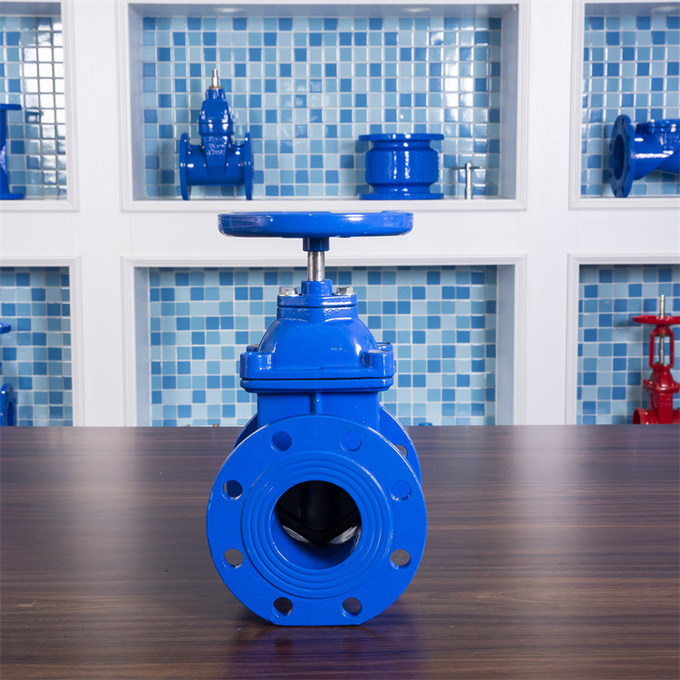
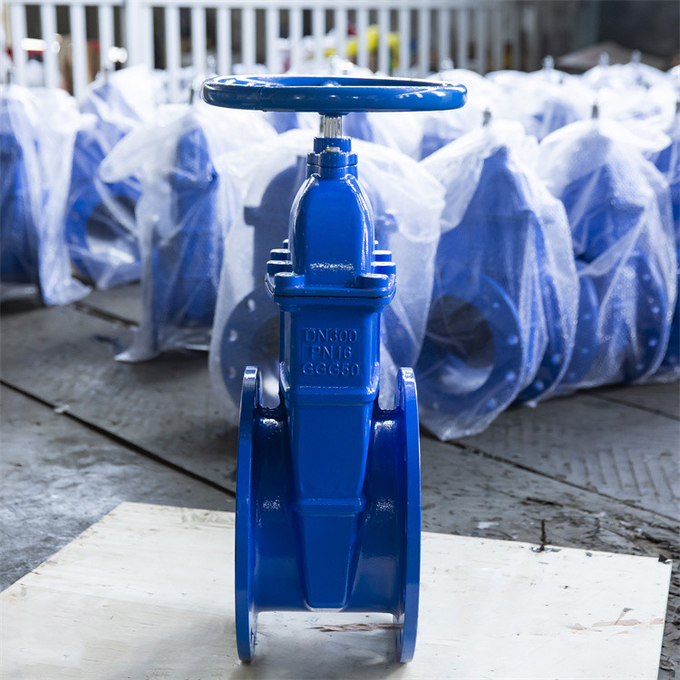
Understanding Ductile Iron Check Valves A Comprehensive Overview Ductile iron check valves have gained significance in various industrial applications due to their exceptional properties and reliability. These valves are designed to control the flow of fluids in a system, preventing backflow and ensuring smooth operation in pipelines and other fluid-conveying systems. This article delves into the characteristics, advantages, applications, and maintenance of ductile iron check valves. What is Ductile Iron? Before understanding the check valves themselves, it is essential to grasp what ductile iron is. Ductile iron, also known as spheroidal graphite iron, is a type of cast iron that has a unique microstructure. This structure provides enhanced strength, toughness, and ductility compared to traditional cast iron. Its ability to withstand significant mechanical stress makes it an ideal material for manufacturing valves used in demanding conditions. Features of Ductile Iron Check Valves Ductile iron check valves typically have a robust construction, allowing them to operate effectively under high pressure and temperature conditions. Some notable features include 1. Corrosion Resistance Ductile iron can be coated to enhance its resistance to corrosion, prolonging the lifespan of the valve. 2. High Strength-to-Weight Ratio The material provides sufficient strength without being excessively heavy, which makes installation more manageable. 3. Versatile Design Ductile iron check valves come in various designs, including swing, lift, and silent types, catering to different operational needs. 4. Sealing Performance These valves often feature resilient seats, ensuring a tight seal and preventing leaks and backflow. 5. Ease of Maintenance Many designs incorporate features that simplify maintenance, such as removable covers for easy access. Advantages of Ductile Iron Check Valves The use of ductile iron check valves brings several advantages to industrial and municipal applications ductile iron check valve 1. Durability Thanks to the inherent properties of ductile iron, these valves exhibit long service life, reducing the need for frequent replacements . 2. Cost-Effectiveness While the initial cost may be higher than some alternatives, the longevity and reduced maintenance requirements of ductile iron check valves can lead to lower overall operational costs. 3. Safety By preventing backflow, these valves protect pipelines and equipment from damage, enhancing the safety of the entire system. 4. Efficiency Ductile iron check valves facilitate smooth and efficient fluid flow, which is crucial in maintaining system performance and reducing energy consumption. Applications Ductile iron check valves are widely used across various industries, including - Water and Wastewater Treatment They are critical in municipal water systems to prevent contamination and backflow. - Oil and Gas These valves help manage fluid flow and protect equipment in pipelines. - HVAC Systems In heating and cooling systems, check valves ensure proper fluid circulation without backflow. - Fire Protection Systems They are essential in fire suppression systems, allowing for the correct flow of water while preventing reverse flow. Maintenance Considerations To ensure optimal performance, regular maintenance of ductile iron check valves is essential. This involves periodic inspections to check for signs of wear, leaks, and operational issues. Routine cleaning of the valve seats and removal of debris can help maintain effective sealing performance. Additionally, ensuring that the valves are correctly installed in alignment with the flow direction is crucial for their effective operation. Conclusion Ductile iron check valves play a vital role in fluid management systems across various industries. Their unique combination of strength, durability, and versatility makes them a preferred choice for many applications. Understanding their features, benefits, applications, and maintenance requirements enables operators and engineers to optimize their usage, ensuring efficient and reliable system performance. As industries continue to evolve, the demand for high-quality components such as ductile iron check valves will likely increase, underscoring their importance in modern engineering solutions.
about
led mirror suppliers
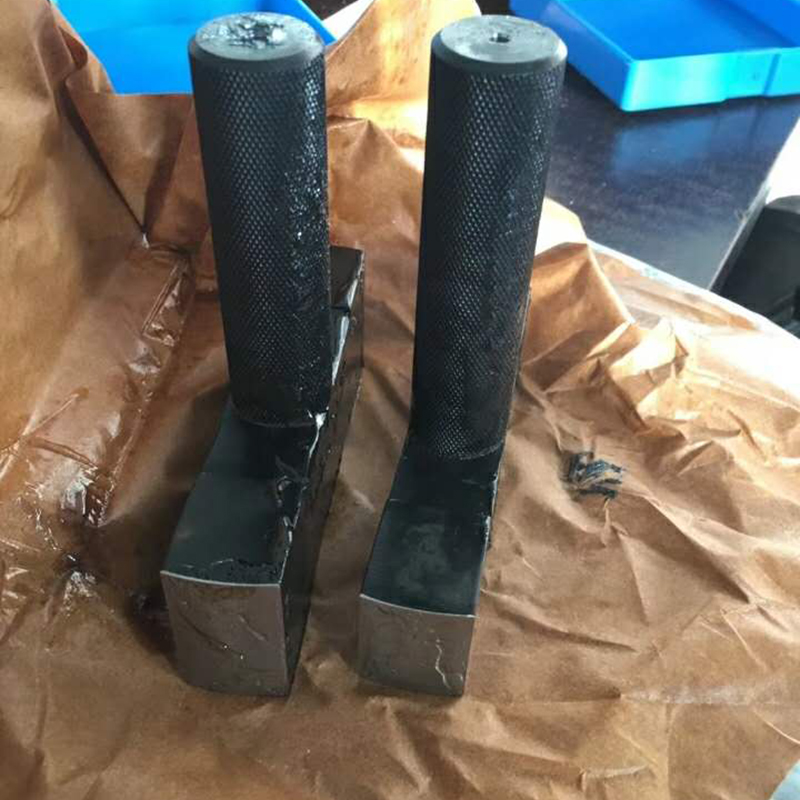
Understanding Gauge Pin Classes A Comprehensive Overview Gauge pins play an essential role in the field of manufacturing and quality control. They are precision tools used to check the size, form, and location of holes in a workpiece. The accuracy of these measurements is critical in ensuring that components fit together correctly in assembly processes. One important aspect of gauge pins is their classification, which is often referred to as gauge pin class. In this article, we will explore the various classes of gauge pins, their applications, and the significance of their precise dimensions in industrial processes. What are Gauge Pins? Gauge pins are cylindrical rods made of high-quality steel or carbide, designed to fit smoothly into predetermined holes. Their primary function is to serve as a go/no-go gauge, providing a quick and reliable method for measuring the specifications of holes. By inserting a gauge pin into a hole, operators can immediately determine whether the hole meets the specified tolerances. If the pin fits perfectly, the hole is considered to be within specification (go). Conversely, if the pin does not fit, it indicates an out-of-tolerance condition (no-go). Classification of Gauge Pins Gauge pins are classified into different classes based on their manufacturing tolerances and intended applications. The classification typically includes 1. Go Pins These pins are designed to fit into the hole. They represent the maximum material condition of the hole, meaning it is the largest size that is acceptable. If a go pin fits, the hole is within acceptable tolerances. 2. No-Go Pins These pins are intended to not fit into the hole. They represent the minimum material condition. If a no-go pin fits, the hole is deemed too large and out of tolerance. 3. Intermediate Pins These pins have dimensions between the go and no-go pins. They can be used for finer tolerances and more strict measurements when required. Tolerance and Precision in Gauge Pin Classes The accuracy of gauge pins is defined by their tolerance classes, often specified according to the ISO or ANSI standards. These standards outline the acceptable limits of deviation for each class of gauge pin. For example gauge pin class - Class 0 This class represents the highest tolerance, suitable for applications where precision is critical. It allows for minimal deviation and is often used in aerospace and automotive industries where safety is paramount. - Class 1 This class offers a slightly broader tolerance than Class 0 but is still suitable for precision engineering applications. - Class 2 and Class 3 These classes are used for less critical applications where some degree of deviation can be tolerated. They are commonly used in general manufacturing processes. Applications of Gauge Pin Classes The precise measurement capability of gauge pins makes them invaluable in a variety of industries, such as - Automotive Ensuring that the components fit together correctly, which is essential for safety and performance. - Aerospace High-stakes environments demand impeccable dimensions; gauge pins are critical in ensuring that components meet strict safety regulations. - Manufacturing Used in the inspection of machined parts to guarantee they meet specific tolerances. - Medical Equipment Precision is vital in the manufacturing of medical devices; gauge pins help in maintaining stringent quality control. Conclusion Understanding the different classes of gauge pins is crucial for professionals in manufacturing, quality control, and engineering. Each class serves a unique purpose, catering to various levels of precision and application requirements. The importance of using the correct gauge pin cannot be overstated, as it directly impacts the quality and reliability of the final product. Proper selection and application of gauge pins contribute to efficiency in production processes and, ultimately, customer satisfaction. Whether in the automotive sector, aerospace, or general manufacturing, gauge pins remain a cornerstone of quality assurance.
-

High quality industrial productsagement

High quality industrial products
View Details -

Meet the diverse needs of customers

Meet the diverse needs of customers
View Details -

Strict quality control

Strict quality control
View Details -

Top raw materials

Top raw materials
View Details -

Trusted supplier

Trusted supplier
View Details
Our application

news and information

Why the Right Angle Ruler Reigns in Metalworking
In the high-stakes world of metal fabrication, machining, and welding, precision isn't just desirabl

water pressure check valve
Understanding Water Pressure Check Valves Importance, Functionality, and Maintenance Water pressure
water shutoff valve
Understanding Water Shutoff Valves An Essential Home Component Water shutoff valves are crucial comp
 English